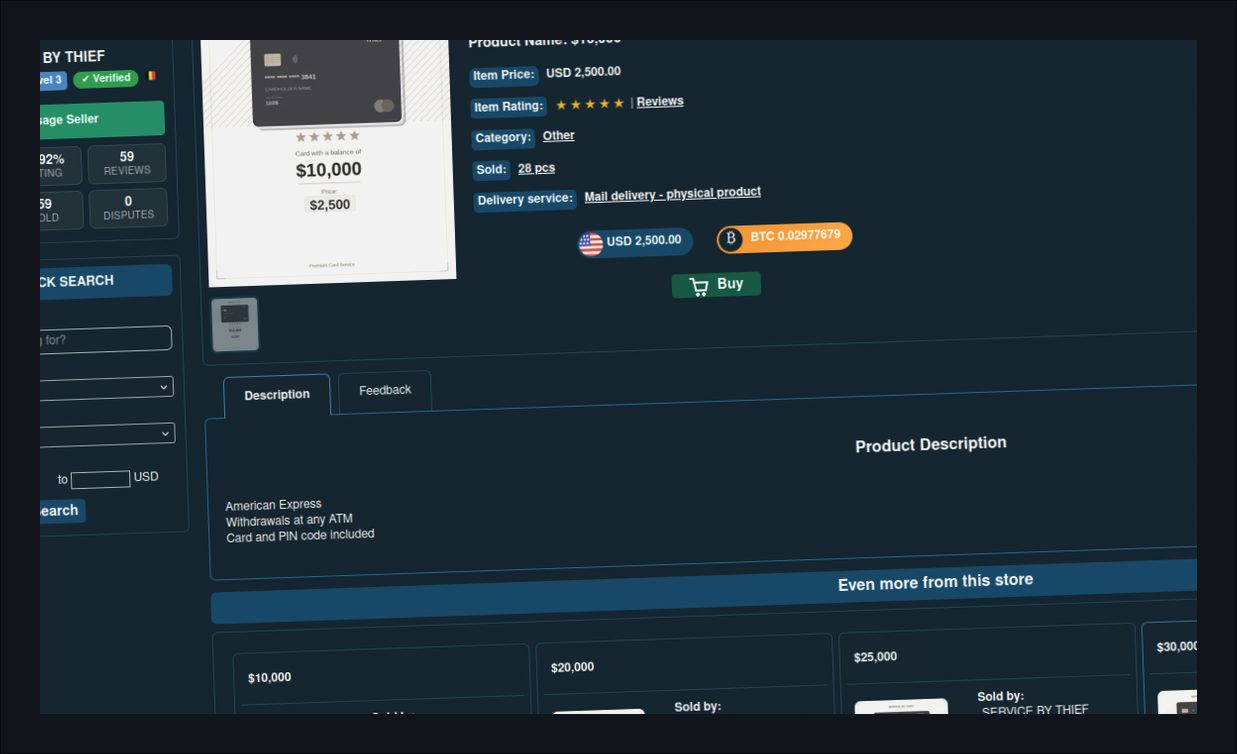
The situation involving Mark T., aged 34 and residing in Tampa Bay, serves as a cautionary tale regarding the vulnerabilities in financial systems when exploited unlawfully. In November 2024, he engaged in the purchase of six fraudulent debit cards, complete with corresponding PINs, from a clandestine online marketplace, spending a total of $480 in Monero, a cryptocurrency focused on privacy. These cards, which contained compromised magnetic stripe information, enabled him to successfully extract $4,200 from the initial three ATMs encountered.
Nonetheless, his illicit activities came to an abrupt halt during his fourth ATM interaction. The significance of this event extends beyond merely recounting an illegal acquisition of financial tools; it reveals how law enforcement can swiftly identify and apprehend individuals within a mere 72 hours. This underscores the high efficacy of ATM surveillance systems and the pervasive nature of digital traces, which ultimately linked his cryptocurrency transactions to the U.S. Secret Service, resulting in a lengthy federal prison term. Specific details about the marketplace where the cards were procured remain undisclosed in this account.
This detailed case study offers invaluable insights for those operating within the realms of cybersecurity and financial crime prevention.
What matters
Modern ATMs are sophisticated surveillance systems, recording high-resolution video and detailed transaction data.
Cryptocurrencies, even privacy-focused ones like Monero, do not guarantee anonymity if purchased through KYC-compliant exchanges.
Anti-fraud systems quickly detect patterns like concentrated withdrawals, triggering rapid investigations.
Physical evidence (e.g., seized cards, cash, MSR devices) combined with digital forensics creates irrefutable proof.
Lack of disguise and proximity to home address significantly increase the risk of identification and apprehension.
1. Understanding the Carding Process: A Criminal Chain
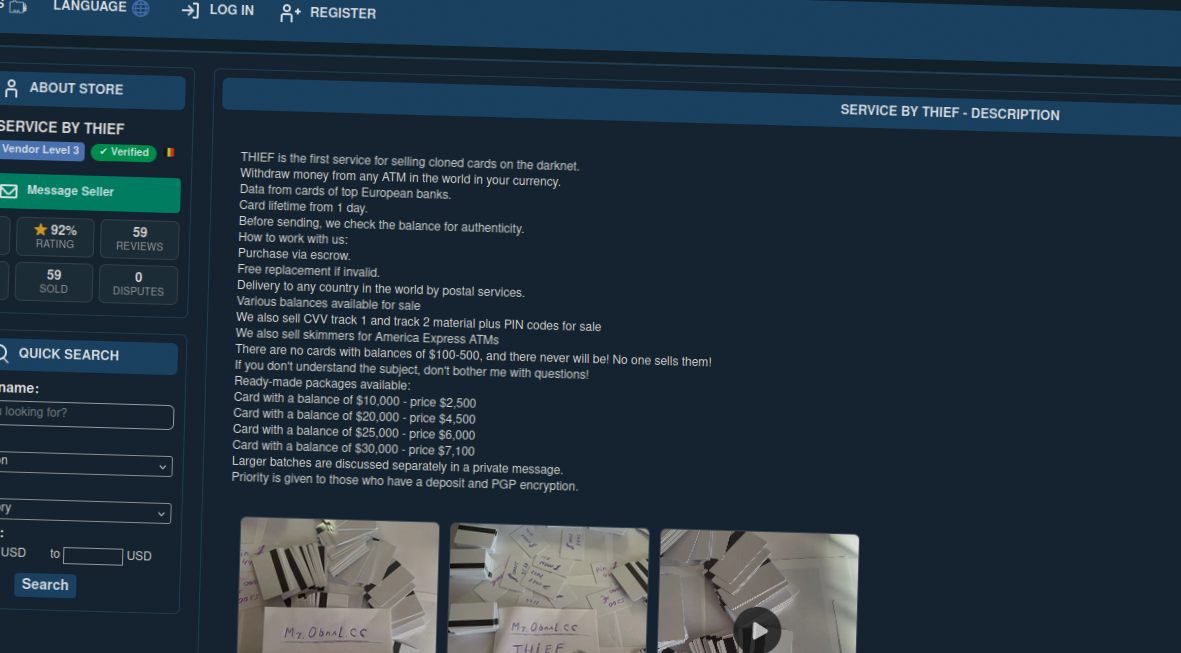
Carding is a prevalent illegal activity within the digital realm, primarily centered on the exploitation and trade of stolen financial data. The situation involving Mark T. exemplifies these unlawful practices. Initially, this operation requires the acquisition of magnetic stripe data—specifically Track 1 and Track 2—obtained through various illegal methods, such as ATM skimming, phishing, or purchasing stolen data from underground markets. Upon acquiring this vital information, blank plastic cards can be produced to replicate forgeries that appear genuine, including names, expiration dates, and card numbers. If a corresponding Personal Identification Number (PIN) is also compromised, typically through fake keypads or covert surveillance at ATMs, the criminal then has a fully operational card capable of executing cash withdrawals. This stage, known as cash-out, allows the perpetrator to withdraw funds from ATMs before the actual account holder realizes any fraudulent activity and takes action to secure their account. Additionally, the illicit funds from these operations are often laundered into cryptocurrencies, complicating tracing efforts, frequently using Bitcoin ATMs or peer-to-peer transactions. In the case of Mark T., he successfully obtained six cloned cards along with their respective PINs for a total of $480, opting for Monero due to its enhanced anonymity features, with the items delivered in unmarked packaging that concealed the nature of the transaction. A significant risk associated with this operation arises from the dual functions of ATMs, which not only dispense cash but also act as sophisticated surveillance systems that can capture user transactions and monitor behaviors. This highlights the necessity for individuals to stay alert regarding the potential ramifications linked to such digital criminal activities.
2. The Overlooked Vulnerability: ATM Surveillance Capabilities
The advanced surveillance capabilities of modern ATMs extend well beyond their main role of dispensing cash, positioning them as sophisticated observational devices. These machines are equipped with essential components that aid in gathering crucial evidence during user interactions. Typically, each unit includes a camera that captures user images at a resolution of 1080p, and many models are enhanced with infrared technology to improve performance in low-light conditions. Furthermore, many models feature a discreet secondary camera that captures images without drawing attention. Every transaction is characterized by meticulous documentation, which ensures the critical information's preservation, including details such as the status of the transaction, the ID of the ATM, the card number, the amount, and the time. Additionally, the precise geographic location of the ATM is recorded and sent to the bank’s central system, allowing for accurate monitoring of the machine’s location. Network activity is carefully logged as well, detailing all interactions made with the bank, including connection specifics.
A pertinent example is provided by the case of Mark T., who approached an ATM in the Tampa Bay area without any form of disguise. During his transaction, he withdrew $700 in a brief span of just twenty-three seconds, resulting in footage that clearly captured his identity. This incident underscores a significant notion: while it is often assumed that the anonymity linked to the darknet extends into real-world interactions, ATMs serve as tangible points where illicit digital activities can be traced and scrutinized, ultimately contesting the belief in complete anonymity.
3. The Investigation Timeline: From Withdrawal to Arrest
The investigation into the fraudulent activities of Mark T. unfolded methodically, revealing the effective measures employed by banking security systems alongside thorough investigative practices. On November 1, 2024, unauthorized withdrawals from bank accounts were reported by victims residing in Florida, Georgia, and North Carolina. In response to these reports, the banks promptly blocked the affected cards and integrated the relevant details into their fraud detection protocols. By November 3, algorithms designed to combat fraud identified a concerning trend of simultaneous transactions executed with cloned cards across state lines. This discovery prompted an emergency alert and initiated a formal investigation by the financial institution's fraud team.
On Day 5, the investigation focused on financial crimes was assumed by the U.S. Secret Service (USSS). On November 8, video evidence linked to the ATMs in question yielded a clear image of Mark T., which was subsequently corroborated by the Florida Department of Public Safety, following a request for transaction logs and surveillance footage from an analyst at the USSS. This identification confirmed his identity while showing no prior criminal record. Evidence linking him to illegal activities is further reinforced by the occurrence of withdrawals made within a 40-mile radius of his residence.
On November 12, investigators secured a warrant to collect digital evidence, including web browsing history, Internet Service Provider (ISP) logs, and cryptocurrency wallet transactions. A significant connection to criminal conduct was established by examining ISP data, which indicated that access to Tor exit nodes occurred during the times of the fraudulent transactions. A court order compelled the cryptocurrency exchange where Mark T. had acquired Monero to reveal his identity and transaction history, connecting his Monero wallet to activities on the dark web. A search warrant executed at his residence on November 14 revealed substantial evidence, which included a laptop associated with dark web transactions, a magnetic stripe reader, six blank plastic cards, and $3,200 in cash, as well as packaging that was connected to the shipment of the cards.
Mark T. was arrested on November 15. While mentioning that the bank had deactivated two of the cards prior to his attempts to use them, four of the six cards were acknowledged as used during the interrogation. Extensive evidence was gathered against him, underscoring the severe consequences stemming from his fraudulent actions. This timeline underscores the critical role of integrated banking security systems and the necessity of prompt reporting and collaboration among financial institutions in combating financial fraud.
4. The Numbers: Costs and Consequences
The consequences of Mark T.'s criminal activities quickly became apparent, leading to significant financial and legal repercussions.
A total of 4 cash machine withdrawals were made, with the overall sum extracted amounting to 4,900 USD. The expenses associated with creating the fraudulent payment cards were 480 USD. Law enforcement apprehended the perpetrator 15 days after the initial illicit transaction. A federal prison sentence has been imposed for a duration of 5 years, which equals 60 months. Fines and restitution amounting to $22,000 were constituted in total. A period of supervised release lasting 3 years was imposed.
5. Why Cryptocurrency Failed to Provide Anonymity
The acquisition of Monero by Mark T., a cryptocurrency known for its privacy features, ultimately failed to ensure the anticipated anonymity in funding cloned card purchases, leading to his identification and subsequent arrest. The investigation revealed several significant flaws in his strategy to remain hidden. A critical error was his use of a centralized exchange for purchasing Monero, which required identity verification. By providing his passport and a selfie, he inadvertently linked his personal identity to the transaction. This exchange was legally bound to disclose his identity and transaction details, which became key evidence against him. Although tracing transactions on Monero can be difficult, the date and amount of his purchase surfaced as crucial evidence linking him to illegal activities.
Additionally, the brief period during which he obtained the Monero, along with related activities in the darknet, card collection, and ATM transactions—all occurring over two weeks—created a strong circumstantial case. Beyond digital traces, tangible evidence played a significant role in the investigation. During a search of his home, law enforcement uncovered blank cards with magnetic data corresponding to that of actual victims, providing undeniable physical proof that could not be masked by cryptocurrency laundering. Furthermore, surveillance footage captured his image at an ATM, offering conclusive evidence that directly associated him with the criminal activities, establishing a clear link that could not be concealed.
Even if all other operational aspects had been carefully hidden, this visual evidence would have firmly connected Mark T. to the crime scene, thereby undermining the perceived protections that Monero was thought to provide.
6. Mark T.'s Critical Operational Errors
Mark T. committed multiple significant mistakes that played a crucial role in his rapid capture. The proximity of his transactions—conducted at four ATMs within a 40-mile range of his residence—immediately raised alarms in anti-fraud systems designed to identify such concentrated behaviors. Moreover, he neglected to employ any disguise, including basic items like a hat or glasses, which resulted in ATM cameras capturing his unmasked face; this provided law enforcement with a clear avenue for identification using DPS databases. Additionally, his choice to acquire Monero through a centralized exchange proved detrimental, as the Know Your Customer (KYC) process established a direct connection between his identity and the cryptocurrency purchase, which he later utilized for illicit transactions on the dark web. Storing evidence at his residence, such as blank cards and an MSR device, along with a laptop containing his browsing history and remnants of the Tor Browser, further solidified the case against him. It is noteworthy that even when digital evidence is deleted, remnants may remain recoverable, such as artifacts from Tor Browser or operating system update logs. Furthermore, the seizure of $3,200 in cash from his home, which corresponded to the denominations dispensed by the ATMs he accessed, served as an additional piece of incriminating evidence. Lastly, the swift execution of his withdrawals—completed within a two-week timeframe—likely expedited the detection process by anti-fraud systems. While a more prolonged withdrawal strategy could have potentially postponed initial alarms, the extensive coverage of ATM surveillance would have ultimately led to his identification.
Conclusion: Lessons from the Mark T. Case
Mark T.'s situation exemplifies the intricate nature of criminal behavior, particularly regarding the effectiveness of contemporary security protocols in combating carding schemes. A closer examination of this case reveals several critical insights pertinent to the field of cybersecurity. Financial institutions employ advanced anti-fraud strategies that incorporate a range of methods, including the analysis of transaction behaviors, the use of geolocation information, and the application of sophisticated scoring systems. These tactics form a robust defense framework that is increasingly automated, necessitating continuous investment in state-of-the-art machine learning technologies to identify irregularities. Furthermore, the combination of physical and digital forensic data is vital; for example, video footage from ATMs serves as crucial evidence, but its significance is markedly enhanced when it is correlated with digital transaction logs that provide precise timestamps for specific actions. This illustrates the necessity of a multidisciplinary methodology in investigations to achieve successful outcomes.
The belief that cryptocurrencies ensure complete anonymity is fundamentally misguided. In reality, the entry and exit points of cryptocurrency transactions—including platforms adhering to Know Your Customer (KYC) regulations and the processes involved in cash withdrawals—create traceable connections between online actions and real-world identities. Thus, true anonymity is largely unattainable as long as KYC regulations exist. Furthermore, consumer awareness presents a significant risk; the individuals affected in this case failed to promptly recognize fraudulent behavior, highlighting the importance of timely reporting of theft to facilitate quicker card deactivation by financial institutions and mitigate the financial impact associated with card skimming defenses. The urgent need for effective detection systems for credit card skimmers and comprehensive protective strategies is often underestimated until a breach occurs, emphasizing the necessity for ongoing vigilance in identifying potential skimming devices and ensuring thorough evaluations of credit card readers. Despite the anonymity sought in illicit online discussions, these platforms are under increasing scrutiny from law enforcement agencies. Cases involving visuals of ATM skimmers and credit card cloning not only reveal technical aspects but also stress the human element and the overarching security mechanisms that are essential, reinforcing the need for robust defenses against card skimming and reliable protective measures.
In March 2025, a guilty verdict for Mark T. was rendered concerning fraudulent activities linked to access devices (18 U.S.C. § 1029) and money laundering (18 U.S.C. § 1957), resulting in a federal prison sentence of 60 months assigned by the U.S. District Court for the Middle District of Florida, accompanied by three years of supervised release, a financial penalty of $22,000, and restitution owed to three victims impacted by his conduct. During the sentencing, the presiding judge noted that Mark T. acted as a consumer, positioned at the lowest level of the carding hierarchy, rather than being the mastermind behind the schemes. This last link often faces the most immediate physical threats and real consequences, while higher-level orchestrators tend to evade capture—a persistent challenge that law enforcement continues to confront through dedicated efforts. The card skimming community on Reddit, akin to other clandestine online forums, frequently underestimates the comprehensive capabilities of modern law enforcement.
Sources